
$20.00 – $87.50Price range: $20.00 through $87.50
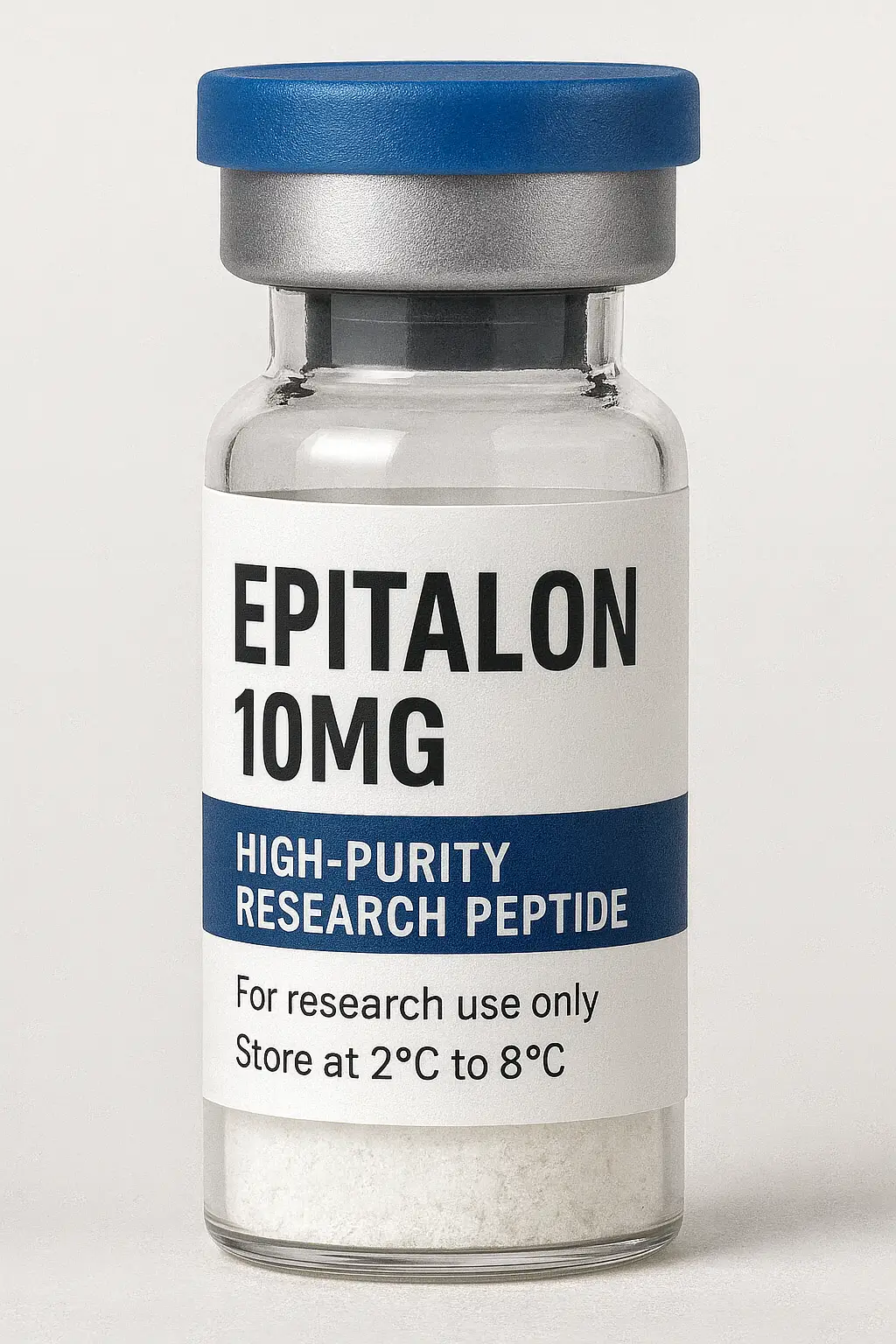
Epithalon (also known as Epitalon) is a synthetic peptide derived from Epithalamin that has captured significant attention in the field of longevity science. This advanced compound is best known for its potential role as a modulator of telomerase, the enzyme responsible for maintaining telomeres—the protective caps at the ends of chromosomes that play a critical role in cellular aging and genetic stability.
Telomeres naturally shorten over time as cells divide, a process closely associated with aging and cellular decline. Research suggests that Epithalon may support telomere length maintenance by stimulating telomerase activity, offering a compelling approach to addressing aging at the cellular level. By helping preserve telomere integrity, Epithalon is being explored for its ability to promote healthier cell replication, improved cellular function, and enhanced longevity potential.
What makes Epithalon especially intriguing is its focus on the root mechanisms of aging rather than simply managing surface-level symptoms. Instead of targeting isolated systems, this peptide works at the core of cellular biology, positioning it at the forefront of next-generation age-support research. Its investigational profile has attracted interest among scientists studying lifespan extension, cellular regeneration, and overall biological resilience.
Beyond telomere research, Epithalon has also been studied for its role in regulating circadian rhythm and endocrine signaling, further expanding its potential relevance in age-related wellness and performance optimization. These added areas of exploration help reinforce Epithalon’s reputation as a versatile and forward-thinking compound within peptide science.
While research is still ongoing, Epithalon represents a bold and exciting direction in the evolving longevity landscape. As science continues to unlock the mysteries of aging, this peptide stands out as a promising candidate in the pursuit of extended healthspan and cellular vitality.
| Size | 10mg Single Vial, 10mg (5 Pack) |
|---|
Reviews
There are no reviews yet.